
What Are Grounding Practices?
Grounding practices are techniques that help bring your attention back to the here and now—your body, your senses, and your surroundings. When overwhelm hits, the nervous system often shifts into a state of high alert. Thoughts race, breathing becomes shallow, and it can feel difficult to slow down.
Grounding helps send a signal of safety to the body. When the body feels safer, the mind often follows.
One of the most helpful things about grounding is its simplicity. These practices don’t require special tools, long periods of time, or a perfectly calm environment. Many can be done in under a minute, wherever you are.
Why Overwhelm Feels So Intense
When you’re overwhelmed, your system is processing too much at once—emotionally, mentally, or physically. This can show up as:
- Racing or looping thoughts
- Trouble concentrating or making decisions
- Muscle tension or restlessness
- Feeling disconnected, spaced out, or “not quite here”
Grounding practices help interrupt this stress response by gently shifting attention away from overload and back toward stability and support.
Simple Grounding Practices to Try
Below are a few accessible grounding tools you can experiment with when overwhelm arises.
1. Orienting to Your Environment
Orienting is the practice of noticing where you are right now. Slowly look around and name a few things you can see. Let your eyes rest on objects that feel neutral or pleasant. You might also notice light, colors, or movement in the room.
This simple act of looking around helps your nervous system register that you are here, now, and not in immediate danger.
2. Feeling Physical Support
Bring your attention to where your body is supported. Notice your feet on the floor, your back against a chair, or your body resting on the ground or bed. Gently press your feet down or shift your weight slightly and feel the contact beneath you.
This practice can be especially helpful when you feel unsteady, scattered, or disconnected from your body.
3. Grounding Through the Senses
Engaging the senses is a powerful way to anchor yourself in the present moment. You might hold something warm or cool, notice a familiar scent, or listen for nearby sounds.
A simple option is to silently name:
- 5 things you can see
- 4 things you can feel
- 3 things you can hear
There’s no need to rush—move at a pace that feels supportive.
4. Gentle Breathing
Breathing is one of the most accessible grounding tools because it directly influences the nervous system. Try slowing your breath slightly, breathing in through your nose and out through your mouth. There’s no need to force deep breaths—comfortable, steady breathing is enough.
Placing a hand on your chest or belly can add an extra sense of reassurance and connection.
Using Grounding as a Daily Support
Grounding practices aren’t only useful when you’re already overwhelmed. Brief moments of grounding throughout the day can help build resilience and make it easier to regulate stress when it arises.
You might practice grounding:
- Before starting work or school
- While waiting in line
- After a difficult conversation
- As part of your evening wind-down
Over time, these small pauses can make a meaningful difference.
A Gentle Reminder
Overwhelm isn’t a personal failure—it’s information. It’s your system letting you know that something needs attention or care. Grounding practices aren’t about fixing yourself; they’re about meeting yourself with compassion and curiosity.
Not every technique will work every time. That’s okay. Grounding is personal, and what feels supportive may change from day to day.
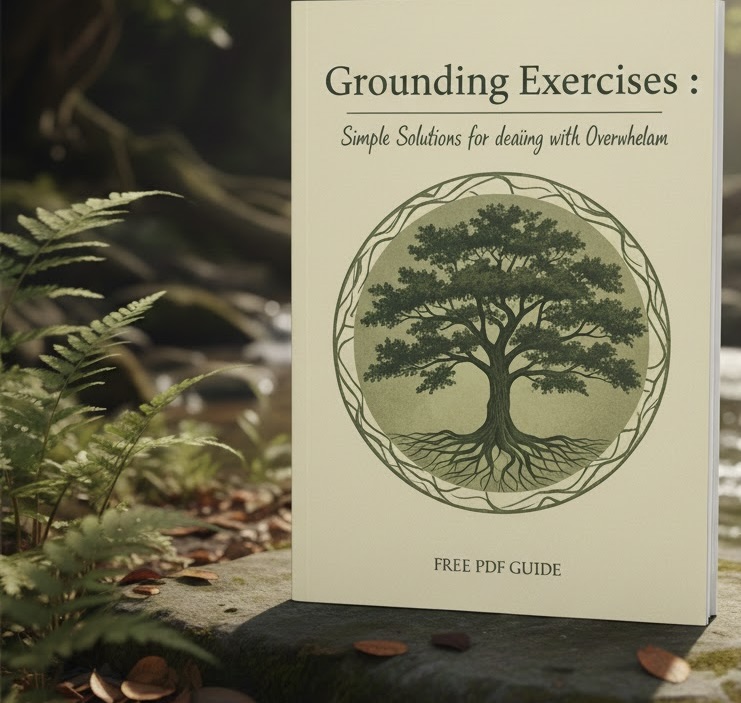
Free Resource: Orienting, Grounding & Breathing Practices
If you’d like more guidance, I’ve created a free PDF that brings together simple orienting practices, grounding exercises, and breathing techniques you can use anytime overwhelm shows up.
It’s designed to be practical and easy to return to—whether you’re feeling mildly stressed or deeply overwhelmed. You can keep it on your phone, print it out, or use it as a gentle reminder that support is always available.
👉 [Download the free grounding practices PDF here]
Overwhelm may be part of life, but with grounding practices, you don’t have to feel lost in it. Sometimes, the smallest moments of presence create the greatest sense of relief.


Comments